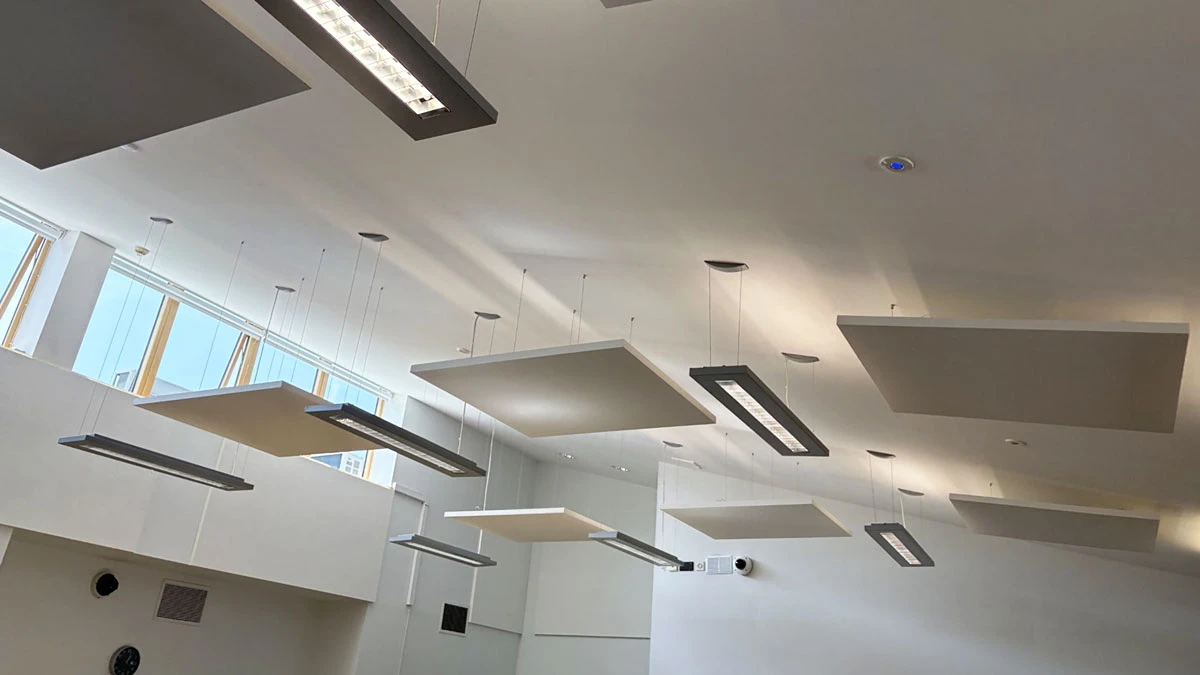
Improving acoustic clarity in a specialist healthcare environment


To create flexible, functional and stylish room layouts, Style was appointed to work with main contractors, Overbuy, and architects, BDP, due to its strong reputation for delivering first class installations in city locations. The DORMA Variflex and Moveo products were selected due to their ease of operation, finish and acoustic performance. “The client dining areas […]
To create flexible, functional and stylish room layouts, Style was appointed to work with main contractors, Overbuy, and architects, BDP, due to its strong reputation for delivering first class installations in city locations. The DORMA Variflex and Moveo products were selected due to their ease of operation, finish and acoustic performance.
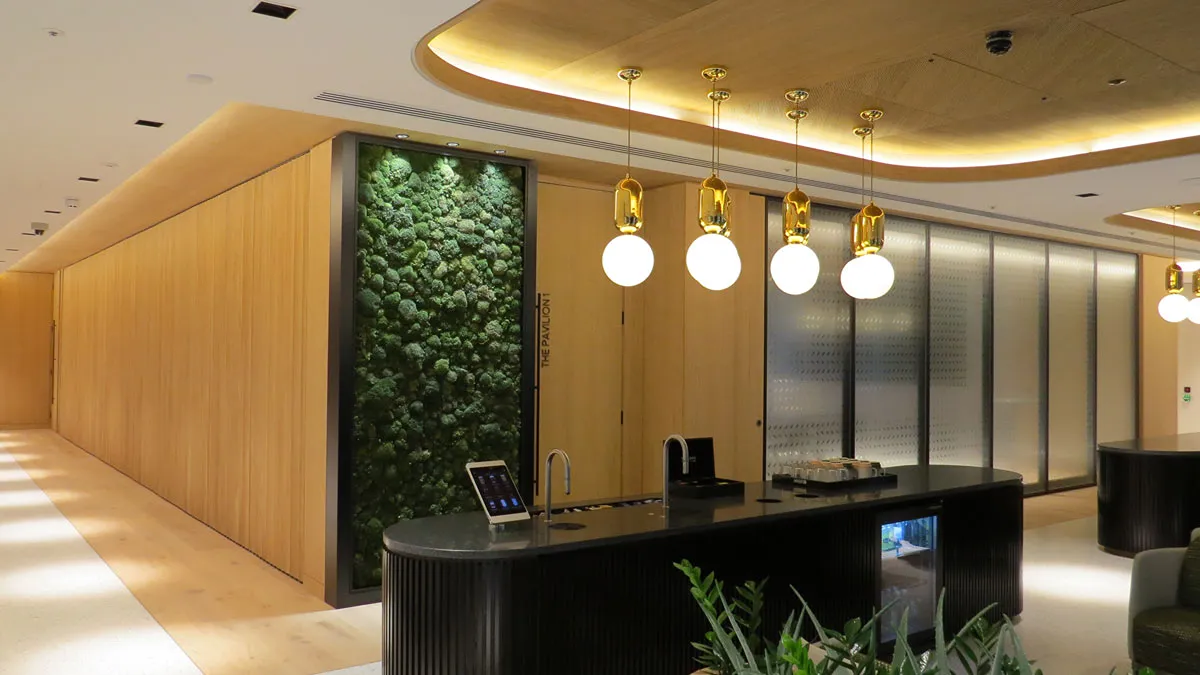
“The client dining areas and main boardroom command stunning views across the Thames,” said Julian Sargent, Style’s Group Managing Director, “and the attention to detail internally is to the highest standard.
“We chose a combination of wood-effect Variflex and glass Moveo, both with semi-automatic operation, to enable PwC to open this out into a large client area, or create smaller dining areas and meeting rooms.
“For the main auditorium we selected semi-automatic Variflex with sound absorption boards added to the high quality veneer to assist with the room acoustics, and we worked extremely closely with Overbury to ensure that the timing of our installation fitted seamlessly into their projects plans. This was essential as we created a solution that would enable this space to be opened out into a vast conference centre, or divided into up to six meeting rooms, and this had implications on how and when the initial tracks were fitted into the ceiling cavities.”
Style also created a bespoke solution for PwC’s staff dining areas, which involved a tailored version of Variflex to offer straight sliders giving flexible space in that area too.
“This was an immensely successful project,” said Paul Mason, Project Manager at Overbury, “and Style’s solution met PwC’s needs perfectly.”
The new PwC office is the first in London to be awarded the BREEAM outstanding rating.
Talk to us about your acoustic goals — we’ll help you design a solution that sounds as good as it looks.



2026 © Style Group
HBN 00-09 sets out these surface characteristics because unsealed joints are a recognised place for moisture and micro-organisms to collect. A genuinely joint-free edge is designed to address that specific detail.
This is a surface and edge specification, not a clinical claim. Zero-joint technology has not been evaluated or certified by NHS England, and does not claim to reduce infection rates.
Food-service and guest-facing areas are typically inspected under hygiene and housekeeping standards that look closely at surfaces and joints. A seamless, moisture-resistant edge is designed with exactly that kind of scrutiny in mind.
Every one of these sectors shares the same underlying surface problem: a bonded-strip edge is a seam, and a seam is a place where dirt, moisture or wear can concentrate in a way a continuous surface can't. Zero-joint technology addresses that one structural detail across offices, schools, healthcare and hospitality settings alike — one construction detail, one shared weak point removed, four sectors that each care about it for their own reasons.
Fill in the form below and we’ll get back to you within one working day.
Fill in the form below and we’ll get back to you within one working day.
Fill in the form below and we'll get back to you as quickly as we can.
