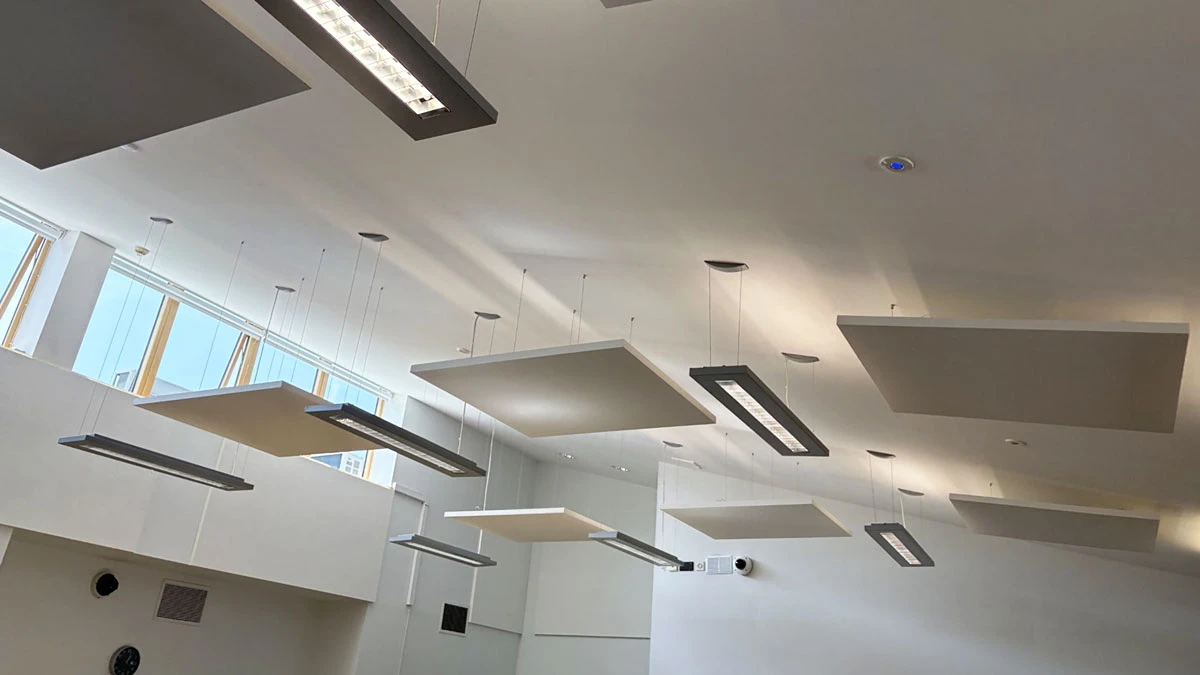
Improving acoustic clarity in a specialist healthcare environment


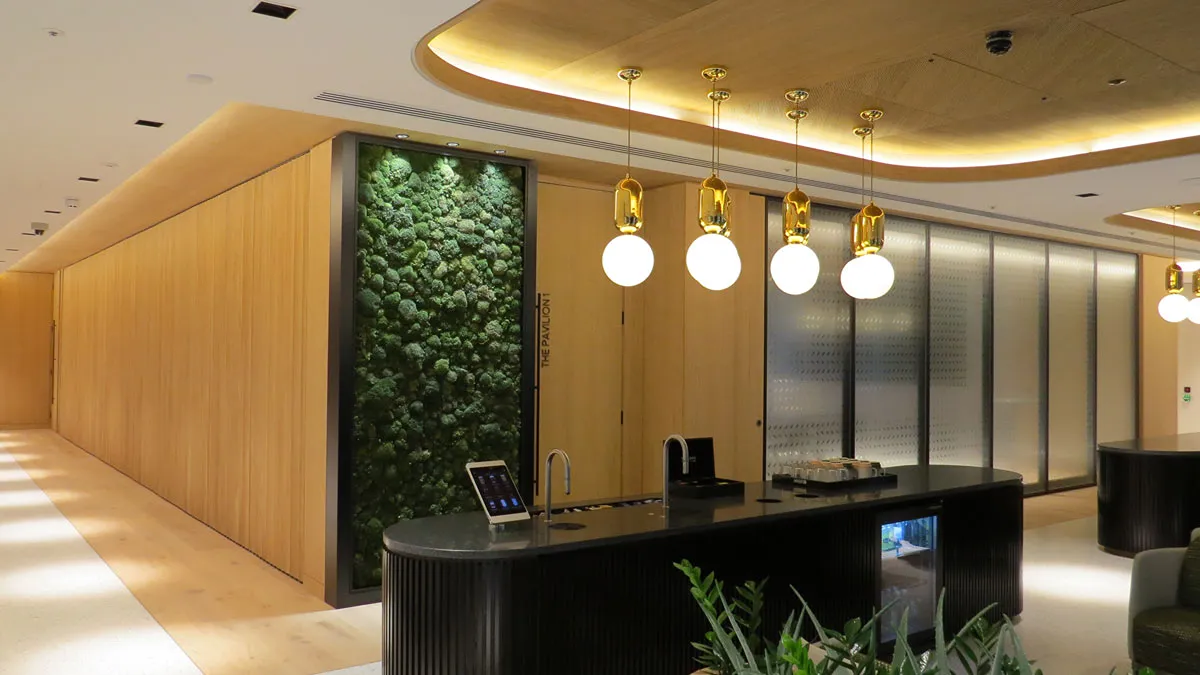
Within the large, open plan meeting area, Style installed a Dorma Huppe Variflex glass moveable wall to create a sizeable meeting room, with pass doors to enable ease of access.
Mills and Reeve is a law firm that believes that by building connections with its clients, its people and the communities it works in, it can do great things. They call that “Achieve more. Together.”
Named as one of the top law firms in the UK for nine years running, and also named in the Sunday Times Best Places to Work list as one of the best big organisations, 99% of its staff said they’d recommend Mills and Reeve as a good place to work.
At its offices in Leeds, Style worked with contractors, Overbury, to create flexibility in the meeting rooms.
Within the large, open plan meeting area, Style installed a Dorma Huppe Variflex glass moveable wall to create a sizeable meeting room, with pass doors to enable ease of access.
Thanks to the doors, the moveable wall can remain in place for long periods of time, if required, and act as a permanent meeting room; only being opened up when the full floor space is needed. Its frosted manifestation offers privacy, while feeling light and open.
When more than one meeting is taking place, this room can be further sub-divided into two smaller meeting rooms thanks to an additional, intersecting solid Dorma Huppe Variflex with an Autex Groove patterned acoustic surface to reduce sound reverberation in the room.
Both the glazed and the solid moveable walls have an impressive 52db acoustic rating, which means meetings, training sessions and workshops can take place undisturbed.
“This is a really stunning installation and a highly practical solution for Mills and Reeve,” said Andy Gibson, Style’s director for the north.
“The moveable wall perfectly complements the interior design of the building, and thanks to the very high end acoustics of both the glass and solid system, lively events can run concurrently next to quieter ones.
“The solid wall is also semi-automatic in operation, and all of the walls are simple and smooth to open and close.”
Click here for more information about our moveable walls
Talk to us about your acoustic goals — we’ll help you design a solution that sounds as good as it looks.



2026 © Style Group
HBN 00-09 sets out these surface characteristics because unsealed joints are a recognised place for moisture and micro-organisms to collect. A genuinely joint-free edge is designed to address that specific detail.
This is a surface and edge specification, not a clinical claim. Zero-joint technology has not been evaluated or certified by NHS England, and does not claim to reduce infection rates.
Food-service and guest-facing areas are typically inspected under hygiene and housekeeping standards that look closely at surfaces and joints. A seamless, moisture-resistant edge is designed with exactly that kind of scrutiny in mind.
Every one of these sectors shares the same underlying surface problem: a bonded-strip edge is a seam, and a seam is a place where dirt, moisture or wear can concentrate in a way a continuous surface can't. Zero-joint technology addresses that one structural detail across offices, schools, healthcare and hospitality settings alike — one construction detail, one shared weak point removed, four sectors that each care about it for their own reasons.
Fill in the form below and we’ll get back to you within one working day.
Fill in the form below and we’ll get back to you within one working day.
Fill in the form below and we'll get back to you as quickly as we can.
