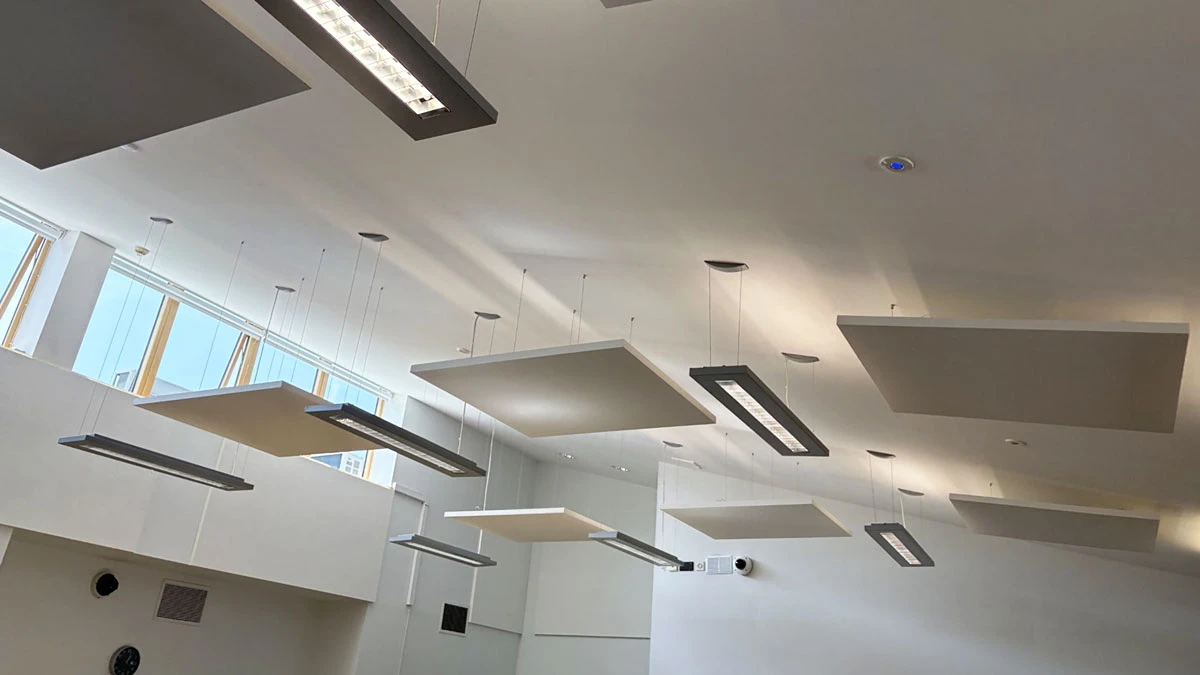
Improving acoustic clarity in a specialist healthcare environment


Working alongside a group of companies from around the world, LCP has over 6000 employees in 43 countries, and provides clients with quality global advice through a single point of contact. At Lane Clark Peacock’s (LCP) new premises in London’s west end, Style worked with main contractor, Overbury, and architects, Pringle Brandon Perkins & Will, […]
Working alongside a group of companies from around the world, LCP has over 6000 employees in 43 countries, and provides clients with quality global advice through a single point of contact.
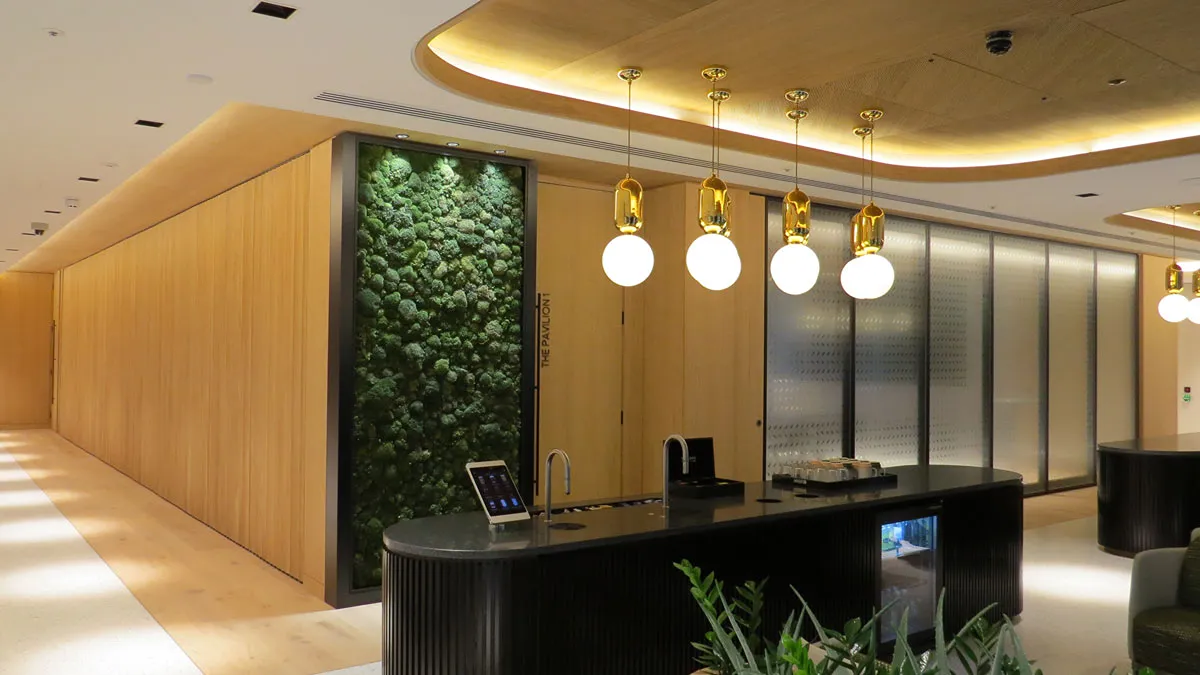
At Lane Clark Peacock’s (LCP) new premises in London’s west end, Style worked with main contractor, Overbury, and architects, Pringle Brandon Perkins & Will, to deliver flexible space that added a real sense of elegance to their prestigious offices.
Three DORMA Moveo semi automatic walls enabled LCP to enjoy flexible meeting room space. The solution installed by Style provided several rooms for day to day use, opening up into a more expansive flexible permutation for larger conferences and presentations.
A stretched fabric finish complemented the interior design of the offices, which act as a showcase London location for client visits.
“As well as being an outstanding partitioning wall system, the range of finishes that Moveo can cater for is so extensive that it’s a dream for interior designers to work with,” said Julian Sargent, Style’s group managing director.
“For LCP we opted for a beautiful fabric finish, but virtually anything is possible including laminate and polished wood veneers.
“We can also include features such as acoustic sound absorption boards, magnetic display boards, dry wipe markers, and projection surfaces.”
Style is the exclusive UK partner to DORMA and has a longstanding relationship based on very high quality people, processes and products. With phenomenal manufacturing capability, and huge investment in moveable wall research and development, DORMA leads the way in developing new, and increasingly innovative, solutions.
Talk to us about your acoustic goals — we’ll help you design a solution that sounds as good as it looks.



2026 © Style Group
HBN 00-09 sets out these surface characteristics because unsealed joints are a recognised place for moisture and micro-organisms to collect. A genuinely joint-free edge is designed to address that specific detail.
This is a surface and edge specification, not a clinical claim. Zero-joint technology has not been evaluated or certified by NHS England, and does not claim to reduce infection rates.
Food-service and guest-facing areas are typically inspected under hygiene and housekeeping standards that look closely at surfaces and joints. A seamless, moisture-resistant edge is designed with exactly that kind of scrutiny in mind.
Every one of these sectors shares the same underlying surface problem: a bonded-strip edge is a seam, and a seam is a place where dirt, moisture or wear can concentrate in a way a continuous surface can't. Zero-joint technology addresses that one structural detail across offices, schools, healthcare and hospitality settings alike — one construction detail, one shared weak point removed, four sectors that each care about it for their own reasons.
Fill in the form below and we’ll get back to you within one working day.
Fill in the form below and we’ll get back to you within one working day.
Fill in the form below and we'll get back to you as quickly as we can.
